
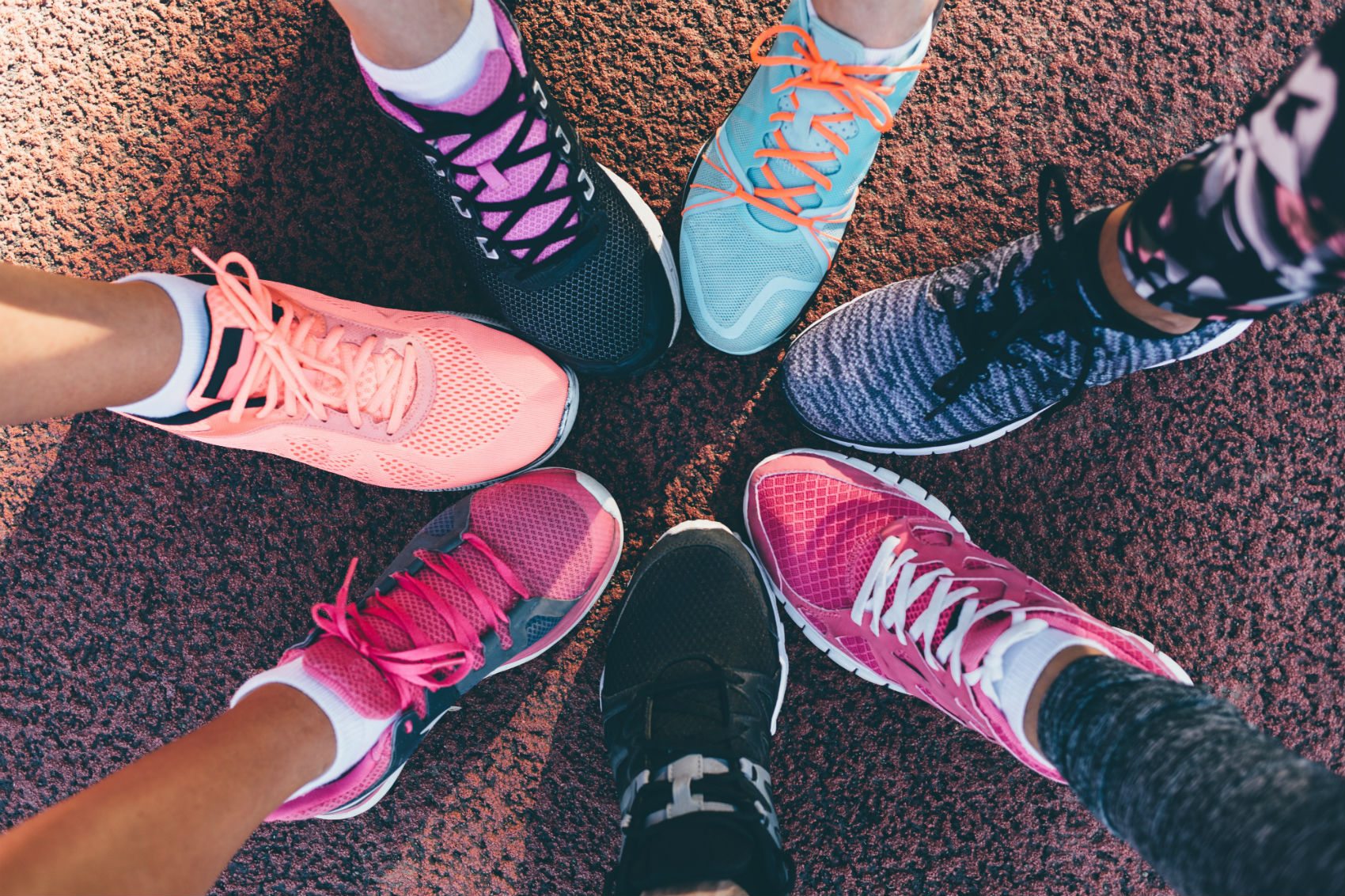
Sports shoes are one of the most important pieces of kit any active person owns. The right pair supports your movement, reduces injury risk, and makes exercise more comfortable. The wrong pair can leave you with blisters, aching joints, or worse. With so many designs on the market — running, training, court, walking — knowing what to look for makes a real difference.
What Are Sports Shoes?
Sports shoes, also known as athletic shoes or trainers, are footwear designed specifically for physical activity rather than everyday wear. They typically combine a cushioned midsole, a grippy outsole, and a breathable upper to handle the repeated impact and movement that sport demands. What separates a true sports shoe from a fashion trainer is engineering: features like arch support, heel stability, and shock absorption are built in to protect the body during exercise.
Types of Sports Shoes
Running shoes are built for forward motion and repeated heel-to-toe impact. They prioritise cushioning and lightweight construction, with different models suited to road running, trail running, or racing.
Training shoes (or cross-trainers) are designed for gym work and multi-directional movement. They have a flatter, more stable base than running shoes, making them better for weightlifting, HIIT classes, and lateral movement.
Court shoes for tennis, badminton, basketball, and squash offer strong lateral support and grippy, non-marking soles for sudden stops and changes of direction.
Walking shoes focus on comfort over long distances, with flexible soles and generous cushioning in the heel and forefoot.
Football and studded boots use cleats or studs designed for traction on grass or artificial turf, with construction geared toward ball control rather than cushioning.
 Why the Right Sports Shoe Matters
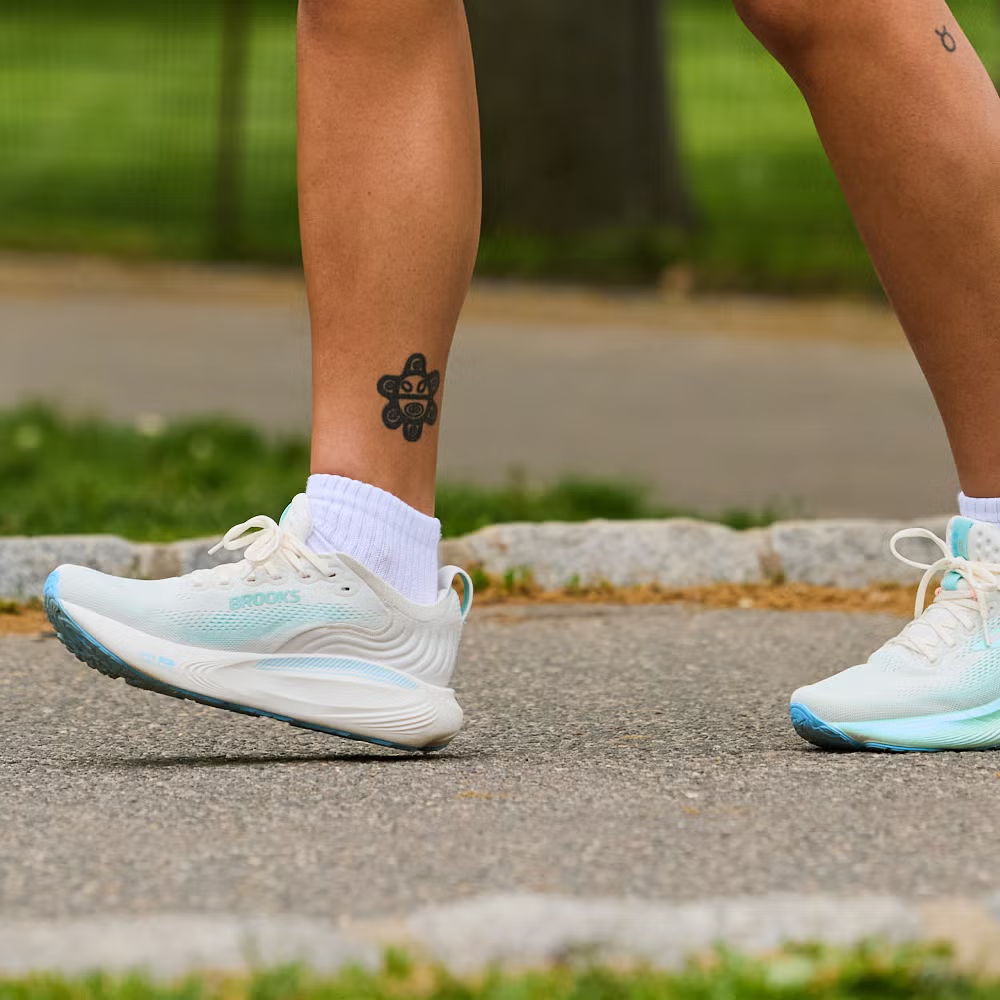
Using the wrong type of shoe for your activity is one of the most common causes of avoidable injury. Running in flat-soled training shoes, for example, means your feet absorb impact that a cushioned running midsole would otherwise take. Conversely, lifting weights in heavily cushioned running shoes creates an unstable base that can compromise your form.
Beyond injury prevention, the right pair simply performs better. Proper grip means more confident movement, appropriate cushioning delays fatigue, and a good fit lets you focus on the activity rather than your feet.
How to Choose Sports Shoes
Start with your primary activity. If you run three times a week and occasionally lift weights, buy running shoes. Choose based on what you do most, not what you might do occasionally.
Understand your foot type. Some people’s feet roll inward significantly when they land (overpronation), some roll outward (supination), and some land fairly neutrally. Stability or motion-control shoes help control excessive inward roll, while neutral shoes suit those who don’t need that correction. Many specialist running shops offer gait analysis to help identify this.
Consider your arch. High arches generally benefit from extra cushioning, while flat feet often need more structured support. Take a look at the wear pattern on your old shoes — it often reveals a lot about how you move.
Don’t ignore the surface. Road running shoes have smooth, durable outsoles. Trail shoes have aggressive lugs for grip on mud and loose ground. Using one on the other’s terrain means either poor traction or unnecessary wear.
Getting the Fit Right
Fit matters more than brand or price. A few practical guidelines:
- Shop in the afternoon or evening. Feet swell throughout the day, so trying shoes on when your feet are at their largest gives a more realistic fit.
- Leave a thumb’s width of space. You should have roughly a centimetre between your longest toe and the end of the shoe, especially for running, as feet expand on impact.
- Wear the right socks. Try shoes on with the socks you’ll actually exercise in — sock thickness changes the fit noticeably.
- Check the heel. Your heel should feel locked in place with minimal slipping when you walk.
- Walk or jog around the shop. Never buy based on how a shoe feels standing still.
- Sizes vary between brands. Don’t assume your usual size will be identical across manufacturers.
When to Replace Your Sports Shoes
Cushioning breaks down long before shoes look worn out. As a general guide, running shoes are often replaced somewhere between 500 and 800 kilometres, though this varies with running style, body weight, and shoe construction. Signs it’s time for a new pair include visible outsole wear, compressed or creased midsole foam, a shoe that no longer feels springy underfoot, or new aches in your knees, shins, or hips that weren’t there before.
If you exercise frequently, rotating between two pairs can extend the life of both, as foam cushioning recovers better with rest between sessions.
Caring for Your Sports Shoes
Simple maintenance goes a long way. Air shoes out after each session rather than leaving them in a bag, remove the insoles occasionally to dry properly, and clean off mud before it hardens. Avoid putting sports shoes in the washing machine or tumble dryer, as heat and agitation can damage adhesives and break down midsole materials. Hand-cleaning with mild soap and air-drying away from direct heat is far kinder to the shoe.
FAQs
What’s the difference between running shoes and training shoes? Running shoes prioritise cushioning for repeated forward impact, while training shoes have a flatter, more stable base suited to gym work and lateral movement.
How often should I replace my sports shoes? Running shoes are commonly replaced after roughly 500 to 800 kilometres, though wear depends heavily on your body weight, running style, and surfaces used.
Can I use running shoes for gym workouts? For cardio, yes. For weightlifting, a flatter training shoe gives a more stable base and better support for heavy lifts.
How much space should I leave in sports shoes? Aim for about a thumb’s width — roughly a centimetre — between your longest toe and the front of the shoe.
Do expensive sports shoes perform better? Not necessarily. Fit and suitability for your activity matter far more than price, and mid-range shoes often perform excellently.
Should I wash sports shoes in the washing machine? It’s best avoided. Machine washing and tumble drying can weaken adhesives and degrade midsole cushioning — hand-clean and air-dry instead.