

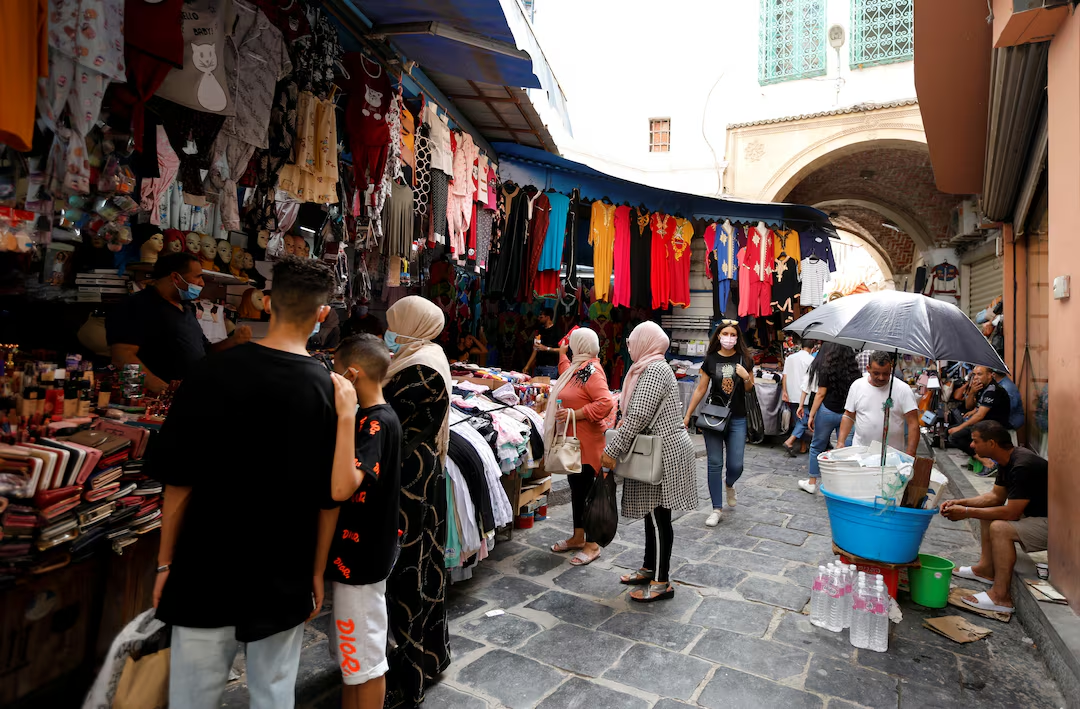
Introduction
In 2026, Tunisia’s business landscape continues to evolve with new opportunities in technology, renewable energy, and international trade. Investors and entrepreneurs are closely monitoring these developments to identify emerging market trends and long-term investment potential.
Tunisia’s economy has been undergoing significant changes recently, driven by digital transformation, regional trade expansion, and a growing entrepreneurial ecosystem. For investors, entrepreneurs, and professionals, staying informed through reliable business news Tunisia is essential for understanding market dynamics, regulatory updates, and emerging opportunities.
From startup innovation to large-scale infrastructure projects, Tunisie continues to adapt to global economic shifts. This article provides a detailed overview of current business trends, sector performance, investment climate, and future outlook, helping readers gain a clear picture of Tunisia’s evolving economic landscape.
Current Economic Landscape in Tunisia
Agriculture, manufacturing, tourism, services, and energy form the diverse foundation of Tunisia’s economy. Recently, economic reforms and international partnerships have played a key role in shaping growth strategies. Despite global challenges such as inflation and supply chain disruptions, Tunisia has shown resilience by focusing on exports, digitalization, and entrepreneurship.
The government continues to implement structural reforms to improve the business climate, reduce bureaucracy, and attract foreign direct investment (FDI). These reforms aim to enhance transparency, streamline regulations, and boost competitiveness across industries.

Key Business Sectors Driving Growth
1. Technology and Startups
The Tunisian startup ecosystem is rapidly growing, supported by government-backed initiatives, incubators, and venture capital firms; fintech is emerging as a key sector. Health tech, e-commerce, and artificial intelligence are among the fastest-growing sectors, attracting young entrepreneurs. are leveraging technology to develop innovative solutions for local and international markets.
2. Manufacturing and Exports
Tunisia remains a strong manufacturing hub, particularly in automotive components, electronics, and textiles. Export-oriented industries benefit from Tunisia’s strategic location and trade agreements with European and African markets. This makes the country a competitive manufacturing destination.
3. Agriculture and Food Processing
Agriculture continues to be a vital pillar of Tunisia’s economy. Olive oil, dates, and seafood are major export products. The food processing industry is also expanding, with increasing demand for packaged and organic products.
4. Tourism and Hospitality
Tourism has gradually recovered, contributing significantly to employment and foreign exchange earnings. New investments in ecotourism, medical tourism, and cultural tourism are diversifying the sector and improving long-term sustainability.
Digital Transformation in Tunisia
Digital transformation is reshaping many industries in Tunisia. Businesses are increasingly adopting cloud technology, online payment systems, and digital marketing strategies. Government initiatives supporting digital innovation are also encouraging startups and tech companies to expand their operations and compete in international markets.
Investment Opportunities and Market Trends
Recent business news from Tunisia highlights growing investor interest in renewable energy, logistics, and digital services. Solar and wind energy projects are expanding as Tunisia aims to reduce its dependence on imported energy and meet sustainability goals.
Infrastructure development is another major focus, including port modernization, transportation networks, and industrial zones. These projects aim to fortify Tunisia’s position as a regional trade hub, linking Africa and Europe.
Furthermore, digital transformation across banking, education, and healthcare sectors is creating new opportunities for technology-driven businesses. E-payment solutions, online learning platforms, and telemedicine services are gaining traction.
Challenges Facing Businesses in Tunisia
While Tunisia offers promising opportunities, businesses also face several challenges:
- Regulatory complexity: Although reforms are underway, administrative procedures can still be time-consuming.
- Access to finance: Small and medium-sized enterprises (SMEs) often struggle to secure funding.
- Inflation and currency fluctuations: These factors impact operational costs and profitability.
- Infrastructure gaps: In some regions with limited infrastructure, logistics and distribution are affected, leading to increased costs and delays in delivering goods and services to customers. efficiency.
Addressing these challenges requires continuous reform, public-private partnerships, and innovation-driven policies.
Role of Digital Media in Business News in Tunisia
Digital platforms and online news portals play a crucial role in delivering real-time business updates. Entrepreneurs and investors increasingly rely on online business news sources in Tunisia for market insights, policy changes, and investment announcements. This shift toward digital media ensures faster access to accurate information, enabling smarter decision-making.
Social media platforms, podcasts, and newsletters also contribute to knowledge sharing, creating a more informed and connected business community.
Future Outlook for Tunisia’s Business Environment
Tunisia’s economic future depends on sustainable development, innovation, and regional integration. Tunisia’s increasing focus on renewable energy, technology startups, and export-driven growth positions the country to enhance its competitiveness. iveness.
We expect ongoing reforms and international cooperation to enhance investor confidence and boost long-term economic stability. As Tunisia continues to modernize its infrastructure and regulatory framework, the business environment will become more attractive for both local and foreign enterprises.
FAQs – Business News Tunisie
Q1: Why is business news in Tunisia important?
It helps investors, entrepreneurs, and professionals stay updated on market trends, economic policies, and emerging opportunities.
Q2: Which sectors are growing fastest in Tunisia?
Technology, renewable energy, manufacturing exports, agriculture, and tourism are among the fastest-growing sectors.
Q3: Is Tunisia a good place for startups?
Yes, Tunisie offers a supportive ecosystem with government incentives, incubators, and access to international markets.
Q4: What challenges do businesses face in Tunisia?
Key challenges include regulatory complexity, access to financing, inflation, and infrastructure gaps.
Q5: Where can I find reliable business news in Tunisia?
Trusted online news platforms, government websites, financial journals, and business-focused media outlets are reliable sources.
Conclusion
Staying informed through accurate and timely business news in Tunisia is important when dealing with Tunisia’s evolving economic landscape. From emerging startups to large-scale infrastructure projects, the country offers diverse opportunities across multiple sectors. Continuous reforms and digital transformation are creating a more competitive and investment-friendly environment. tor-friendly environment, despite lingering obstacles. By keeping track of business developments, entrepreneurs and investors can make strategic decisions that contribute to sustainable growth and long-term success.
As Tunisia continues to modernize its economy and attract global investment, staying informed through reliable business news sources will remain essential for entrepreneurs, investors, and professionals seeking long-term success in the region.