

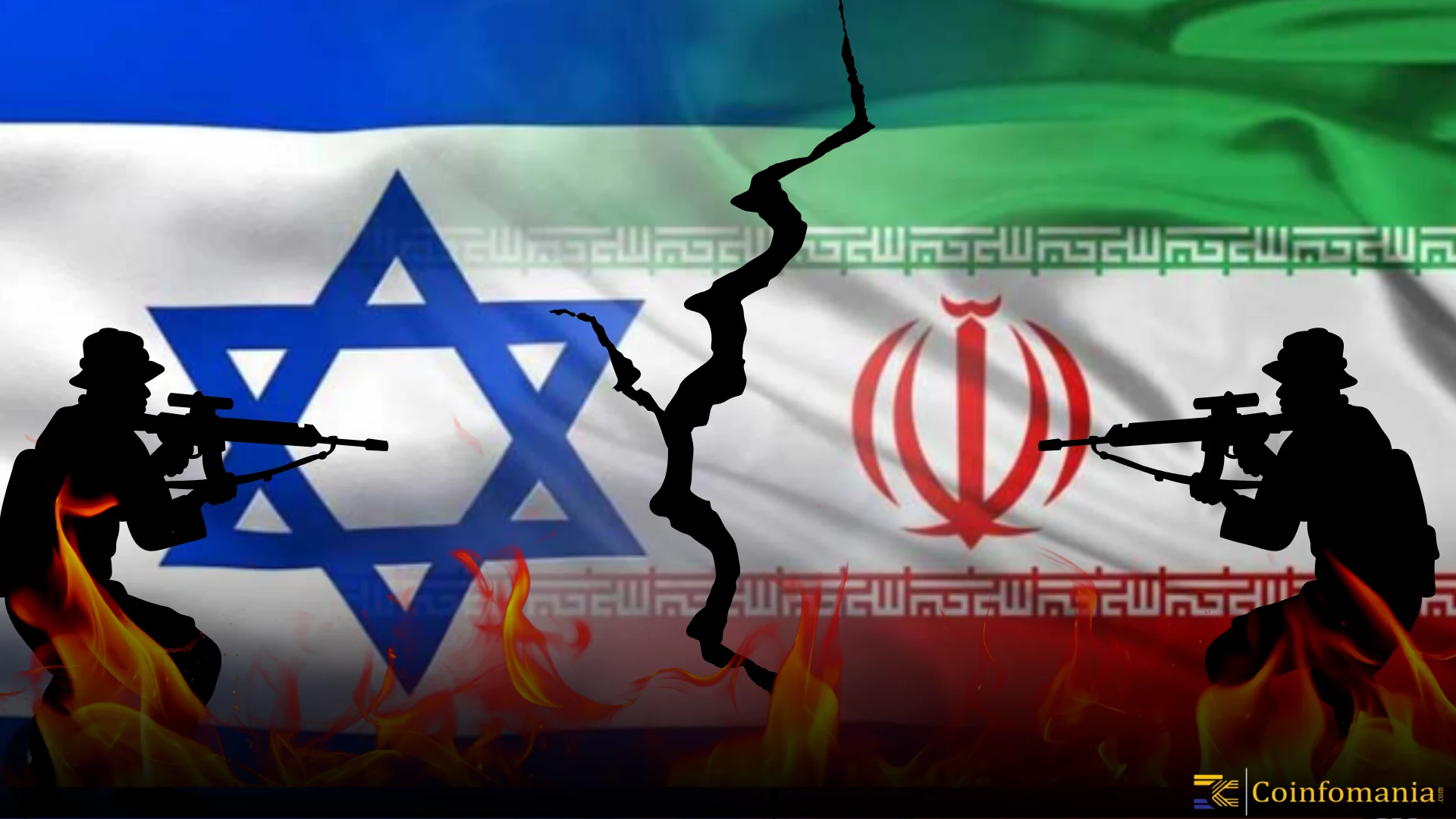
The phrase “Iran Israel news” has surged globally as tensions between the Islamic Republic of Iran and the State of Israel continue to dominate international headlines. The relationship between these two powerful Middle Eastern rivals has long been defined by hostility, proxy conflicts, cyber operations, and intelligence warfare. Now, renewed military exchanges and diplomatic strain have pushed the region into one of its most dangerous periods in years.
This article breaks down the latest developments, the historical roots of the conflict, regional implications, global reactions, and what may happen next.
Background of the Iran–Israel Conflict
The hostility between Iran and Israel dates back to 1979, when Iran’s Islamic Revolution transformed the country’s foreign policy. Since then, Iranian leaders have openly opposed Israel’s existence, while Israel has consistently viewed Iran as its most significant regional threat.
A major source of tension has been Iran’s nuclear program. Israeli officials have repeatedly stated that they will not allow Iran to develop nuclear weapons capability, viewing it as an existential risk.
Over the years, the conflict has largely played out indirectly through proxy groups, including Hezbollah in Lebanon and armed factions in Syria and Gaza. However, recent escalations have brought more direct military confrontation.
Recent Military Escalations
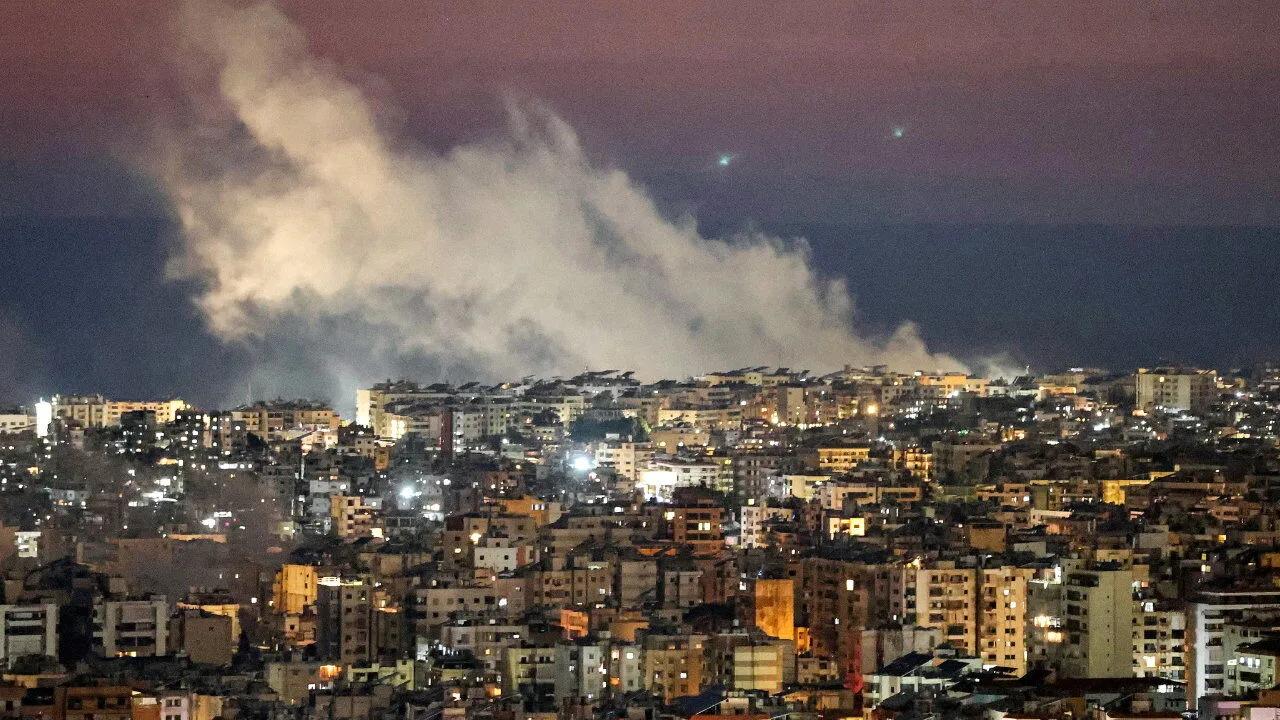
Recent Iran-Israel news reports indicate an increase in direct exchanges, including missile launches, drone strikes, and targeted operations.
Israel has conducted strikes on Iranian-linked military sites in Syria, claiming they were intended to prevent weapons transfers to hostile groups. In response, Iran and allied forces have reportedly launched retaliatory attacks toward Israeli positions.
Leaders on both sides have issued strong statements. Israeli Prime Minister Benjamin Netanyahu has emphasized Israel’s right to defend itself against Iranian threats. Meanwhile, Iranian Supreme Leader Ali Khamenei has condemned Israeli actions and warned of consequences.
The escalation has raised concerns that the shadow war between the two nations could spiral into a broader regional conflict.
Role of the United States and Regional Powers
The United States plays a critical role in the Iran–Israel dynamic. The U.S. has long been Israel’s strongest ally, providing military aid and diplomatic backing. At the same time, Washington has engaged in complex negotiations with Iran over its nuclear program.
Other regional players are also deeply involved:
- Lebanon, due to Hezbollah’s alignment with Iran
- Syria, where Iranian forces have maintained a military presence
- Gulf states concerned about regional stability and oil security
Rising tensions often trigger global diplomatic efforts aimed at preventing full-scale war.
Impact on Global Energy Markets
One reason Iran-Israel news receives worldwide attention is its impact on global oil supply. Iran sits near the Strait of Hormuz, one of the world’s most vital oil shipping routes. Any disruption or threat to maritime traffic in this region can cause oil prices to spike.
When military tensions rise, energy markets react quickly. Investors fear potential supply interruptions, leading to volatility in oil and stock markets worldwide.
Humanitarian Concerns
Beyond geopolitics, civilians bear the heaviest burden during escalations. Missile exchanges and airstrikes can result in casualties, infrastructure damage, and widespread fear.
In both countries, air defense systems are frequently activated during heightened alert periods. Schools may close, flights can be canceled, and emergency services remain on standby.
International organizations continue to call for restraint and diplomatic solutions to prevent humanitarian crises.
Could This Lead to a Larger War?
Experts remain divided. Some analysts believe both nations prefer limited engagements to avoid catastrophic regional war. Others warn that miscalculation—such as a strike causing heavy civilian casualties—could trigger uncontrollable escalation.
The presence of advanced missile systems, cyber warfare capabilities, and regional proxy groups increases unpredictability.
Diplomatic negotiations surrounding Iran’s nuclear activities remain a key factor. Any collapse in talks could significantly heighten tensions.
Frequently Asked Questions
1. Why are Iran and Israel enemies?
The conflict stems from ideological differences following Iran’s 1979 revolution, combined with geopolitical rivalry and disputes over Iran’s nuclear program.
2. Has Iran directly attacked Israel?
There have been reported missile and drone exchanges in recent escalations, though much of the conflict historically occurred through proxy forces.
3. Why is the nuclear issue so important?
Israel views a nuclear-armed Iran as an existential threat. International negotiations have attempted to limit Iran’s nuclear development in exchange for sanctions relief.
4. How does this affect oil prices?
Tensions near the Strait of Hormuz often cause oil prices to rise due to fears of disrupted global supply.
5. Is a full-scale war likely?
While possible, many experts believe both sides seek to avoid total war due to severe regional and economic consequences.
Conclusion
Iran-Israel news continues to shape global headlines because the stakes are extraordinarily high. The rivalry between Iran and Israel is not just a bilateral issue — it affects regional alliances, global energy markets, and international security.
With direct strikes increasing and diplomatic talks under strain, the situation remains fragile. Whether tensions cool through negotiation or intensify further depends on political decisions in Tehran, Jerusalem, Washington, and beyond.
The world watches closely, hoping diplomacy prevails over escalation.
[…] there is little doubt that she remains an influential public figure. Searches for Melania Trump news today frequently spike during election cycles, major public appearances, or family […]