
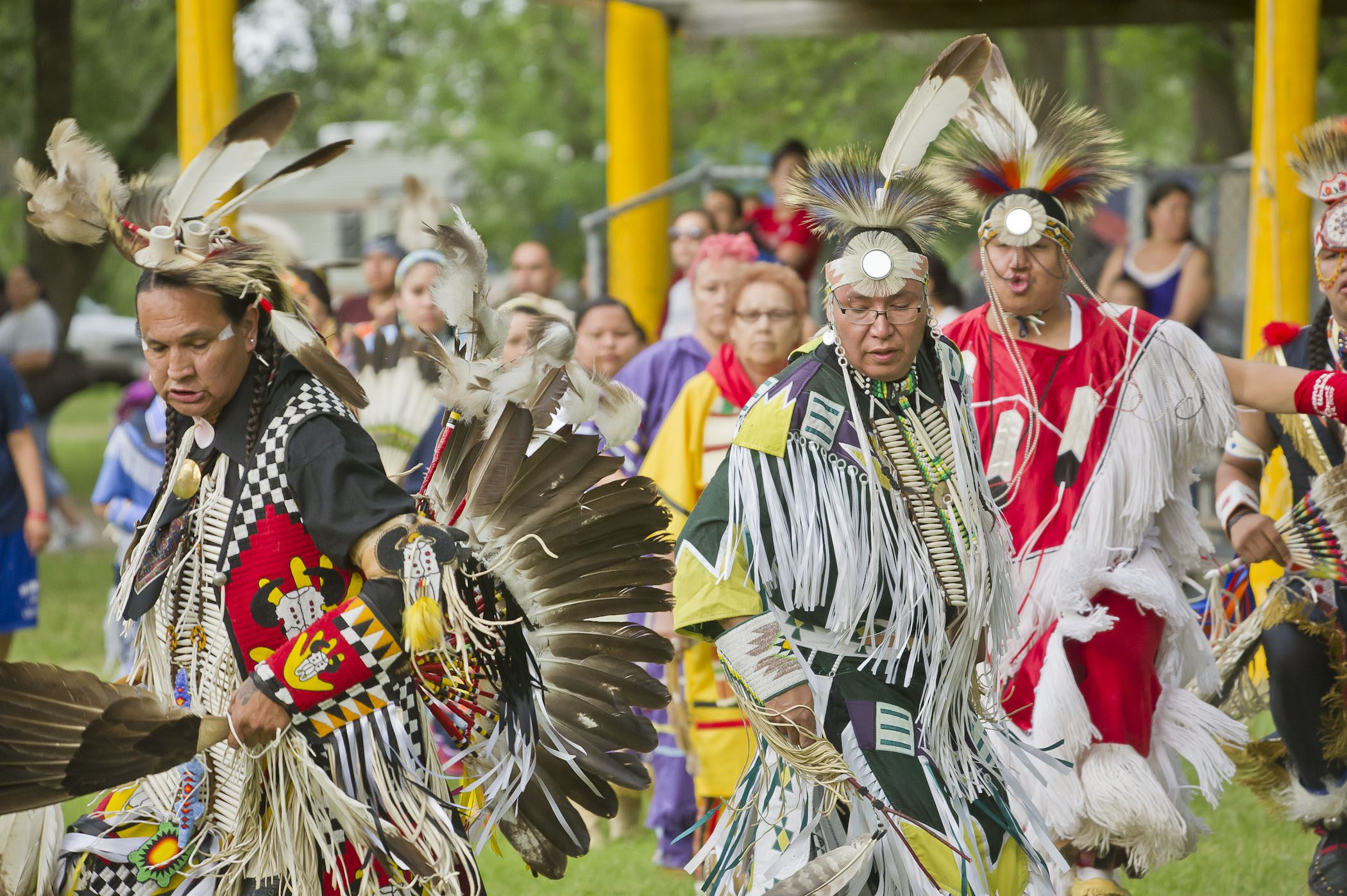
What Does Otoe Mean?
The word Otoe Meaning (also spelled Oto) most commonly refers to a Native American people of the Midwestern United States, historically settled along the Platte and Missouri Rivers in present-day Nebraska. The Otoe are a Siouan-speaking nation, and their traditional language — a dialect known as Chiwere — is closely related to the languages of the Iowa, Missouria, and Ho-Chunk tribes.
Beyond identifying the people themselves, “Otoe” can also describe their language or dialect, their culture, or anything associated with the tribe, such as Otoe traditions, Otoe history, or the Otoe-Missouria Tribe of Indians, a federally recognized tribe headquartered in Oklahoma today.
The Origin of the Name Otoe
The name Otoe Meaning has a distinctive backstory rooted in tribal history rather than simple translation. According to accounts of Otoe and Missouria history, the Otoe’s Indigenous name comes from a Chiwere word that can be translated as “lovers” or a similarly romantic term. The story behind this name traces back to a period when the Otoe and Missouria were still one people, migrating westward alongside the Iowa and Winnebago (Ho-Chunk) nations, likely sometime in the 1500s.
As the group moved south and west along the Mississippi and Missouri Rivers, a conflict arose between two related bands — the Otoe and the Missouria — reportedly sparked by a romantic relationship between the children of two chiefs. This split led the Otoe to continue traveling west along the Missouri River, while the Missouria remained behind. The episode is said to be the reason the Chiwere-derived name stuck to the tribe that moved on.
Interestingly, the related Missouria name has its own separate meaning. Early interpretations translated it as “people having dugout canoes,” though more recent scholarship refines this to mean “big boat.”
 The Otoe People Today
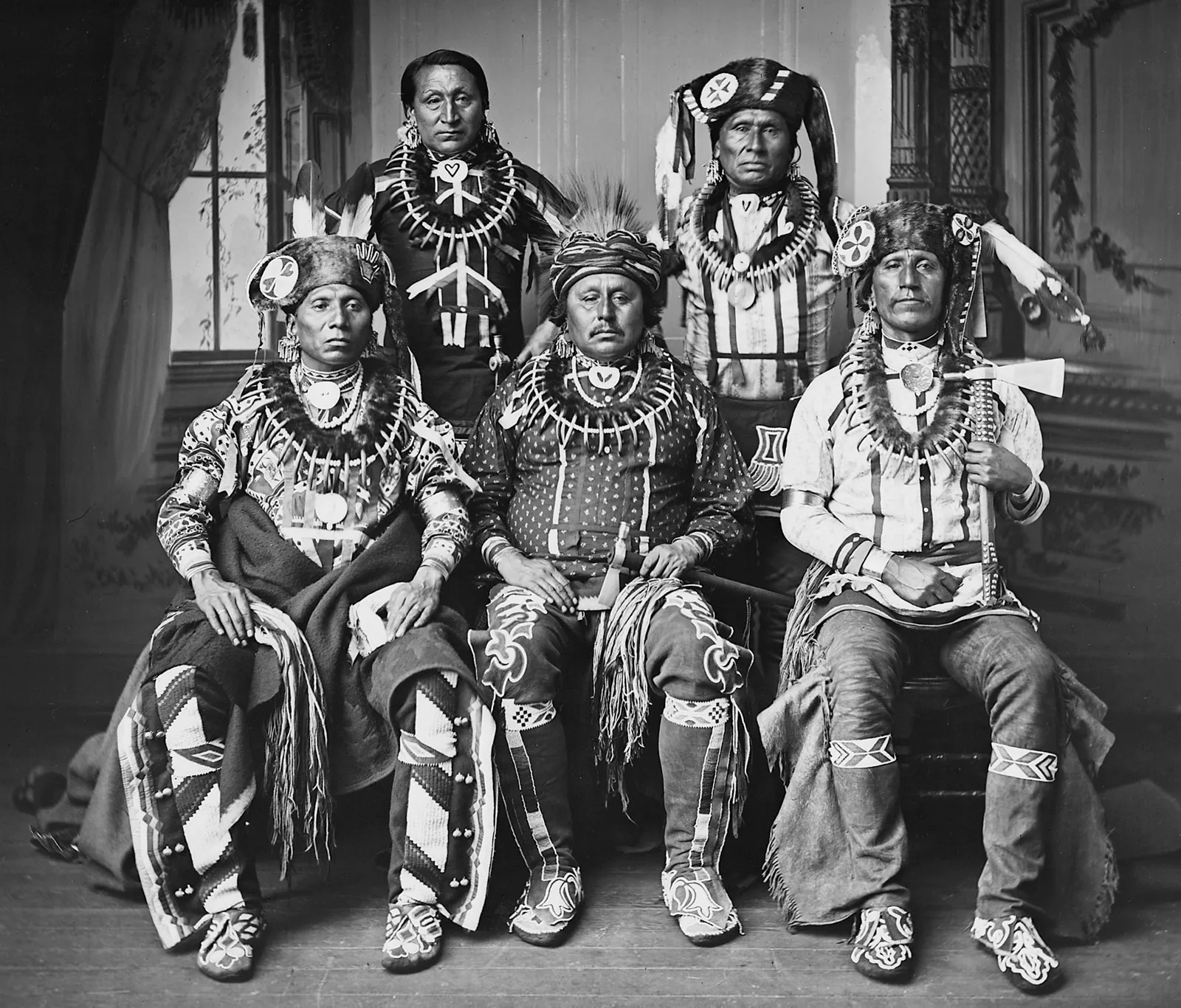 The Otoe People Today
By the late 1600s, the Otoe had settled in present-day Iowa before continuing their migration further west. Like many Plains nations, they endured smallpox outbreaks and conflict with rival tribes in the following centuries. By the mid-19th century, the Otoe had ceded their lands to the United States government and relocated to reservations, eventually settling in Oklahoma alongside the closely related Missouria people.
Today, the two nations are formally recognized together as the Otoe-Missouria Tribe, with a population of roughly 3,300 to 4,600 enrolled members, depending on the source and year cited. Members practice a mix of the Native American Church and Christianity, and while English is now the dominant language, efforts continue to preserve the historic Chiwere tongue.
Historically, the Otoe lived a semi-nomadic lifestyle across the Central Plains, spanning parts of Nebraska, Kansas, Iowa, and Missouri. They built elm-bark lodges as permanent dwellings while farming, but used portable tipis when traveling to hunt buffalo — a lifestyle shared with many other Plains tribes of the era.
Other Meanings of Otoe
While the tribal meaning is by far the most common, the word “Otoe” has a couple of lesser-known uses worth noting:
- A name for taro in Panama. In parts of Panama, “otoe” is a local name for taro, a starchy root vegetable used in cooking throughout Latin America and the Caribbean.
- Place names in Nebraska. Because of the tribe’s historical presence in the region, several places carry the Otoe name today, including Otoe, Nebraska, and Otoe County, Nebraska.
- Military and organizational contexts. In some technical and government documents, “OTOE” appears as an acronym unrelated to the tribal name, so context always matters when interpreting the term.
Why the Meaning of Otoe Matters
Understanding the meaning of Otoe isn’t just a matter of dictionary definitions — it connects to a living Native American nation with a documented history stretching back centuries. When researching or writing about the Otoe, it helps to distinguish between the tribe’s own name for itself (Jiwére, in the Chiwere language) and “Otoe,” the exonym more commonly used in English-language sources. Recognizing this distinction shows respect for the tribe’s own naming traditions alongside the historical name most people search for.
FAQs About Otoe Meaning
1. What does the word Otoe mean? Otoe primarily refers to a Native American people from the Midwestern United States, along with their language, culture, and history.
2. Is Otoe the same as Oto? Yes. Otoe and Oto are alternate spellings of the same word, referring to the same tribe and dialect.
3. Where did the name Otoe come from? The name is believed to derive from a Chiwere word connected to a historical dispute involving a romantic relationship between the children of two allied tribal leaders, which led to the Otoe splitting from the Missouria.
4. What language did the Otoe speak? The Otoe traditionally spoke Chiwere, a Siouan language dialect shared with the closely related Missouria and Iowa tribes.
5. Where do the Otoe live today? Most enrolled members of the Otoe-Missouria Tribe live in Oklahoma, though the tribe’s historical homeland was centered in Nebraska.
6. Does Otoe mean anything outside the tribal context? Yes. In parts of Panama, “otoe” is a regional name for taro, a root vegetable, showing the word has taken on unrelated meanings in different regions.