
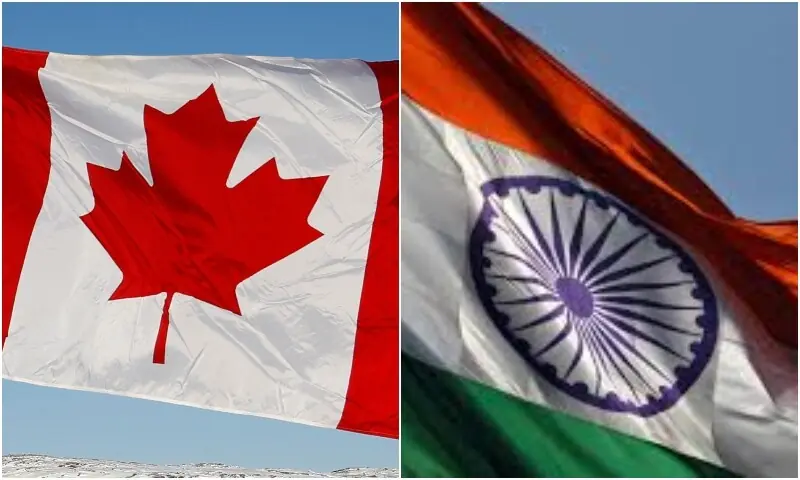
After years of strain, India Canada news in 2026 tells a very different story — one of repair, dialogue, and renewed economic ambition. Following the diplomatic chill that began in 2023 over the killing of Sikh separatist Hardeep Singh Nijjar, ties between New Delhi and Ottawa have steadily warmed under new leadership on both sides. With Mark Carney now leading Canada and Narendra Modi continuing as India’s Prime Minister, the two nations have moved from confrontation toward cautious cooperation.
The Diplomatic Reset
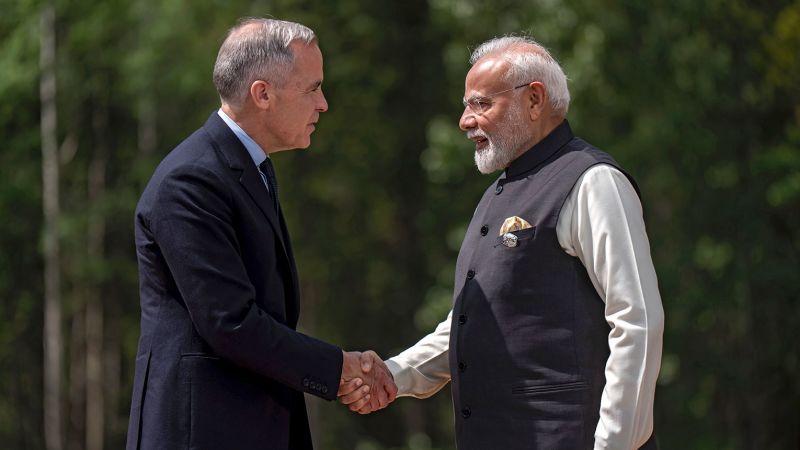
The turning point came when PM Modi and PM Carney met on the sidelines of the G7 Summit in Kananaskis in June 2025. That meeting set the stage for restoring diplomatic strength, reopening stalled channels, and resuming technical talks on trade and mobility. Since then, momentum has only grown. Carney led a high-profile delegation to India in February-March 2026, visiting New Delhi and Mumbai, where the two countries signed multiple agreements worth billions of dollars covering energy, minerals, pharmaceuticals, defence, and academic cooperation.
Most recently, Modi and Carney met again on the sidelines of the G7 Summit in Evian in June 2026, where both leaders reaffirmed their commitment to conclude long-pending trade talks within the year and discussed strengthening defence and security cooperation through a new General Security of Information Agreement.
Trade Ties Take Center Stage
Perhaps the biggest headline in India Canada news right now is economic. Both countries are working to more than double two-way trade to roughly $70 billion annually by 2030, with negotiations on a Comprehensive Economic Partnership Agreement (CEPA) actively underway. In May 2026, India’s Commerce Minister Piyush Goyal led the largest trade delegation India has ever sent abroad — over 120 companies — to Canada, signaling serious intent to deepen commercial ties.
Sectors like artificial intelligence, clean technology, agri-food, critical minerals, and digital innovation are emerging as key pillars of this expanding partnership. Education and skills cooperation also remain strong, with India continuing to be one of the largest sources of international students and skilled immigrants to Canada.
 Security Concerns Still Linger
 Security Concerns Still Linger
Despite the positive momentum, the relationship isn’t free of friction. The Nijjar case continues to surface in Canadian media, and questions around accountability remain unresolved even as both governments work to keep security issues on a separate track from economic and diplomatic engagement. Canadian officials have also taken steps such as revoking the citizenship of individuals linked to past terror attacks against India, signaling a more cooperative approach on security matters than in previous years.
What This Means Going Forward
The broader picture suggests both nations see more value in engagement than estrangement. With diaspora ties, economic complementarity, and shared interests in countering global uncertainty, India and Canada appear committed to a “compartmentalized” approach — managing unresolved disputes while building forward on trade, technology, and people-to-people relations.
FAQs
1. Why were India-Canada relations strained in the first place?
Relations deteriorated sharply in 2023-24 after Canada alleged Indian government involvement in the killing of Sikh separatist Hardeep Singh Nijjar, leading to diplomatic expulsions on both sides. India denied any involvement.
2. What changed in 2025-2026 to improve ties?
A leadership change in Canada, with Mark Carney replacing Justin Trudeau, opened space for a more measured approach. Meetings at the G7 and G20 summits, followed by Carney’s official visit to India in early 2026, helped restore diplomatic normalcy.
3. What is CEPA and why does it matter?
CEPA stands for Comprehensive Economic Partnership Agreement. It’s a planned trade deal covering goods, services, investment, agriculture, and digital trade, aimed at significantly boosting two-way commerce between India and Canada.
4. Is the Nijjar case resolved?
No, the case remains unresolved and continues to surface in media reports. Both governments are reportedly trying to keep security disputes separate from broader cooperation.
5. How does this affect Indian students and workers in Canada?
Renewed ties are expected to support smoother visa processing, restored consular services, and continued opportunities for Indian students and skilled workers in Canada.
Conclusion
India Canada news in 2026 reflects a relationship in transition — moving away from years of mistrust toward pragmatic cooperation. While security concerns haven’t disappeared entirely, the renewed diplomatic engagement, expanding trade ambitions, and high-level visits suggest both countries are prioritizing the long-term benefits of partnership over short-term political friction. As CEPA talks progress and more agreements take shape, India and Canada appear set to write a more stable chapter in their bilateral history.