
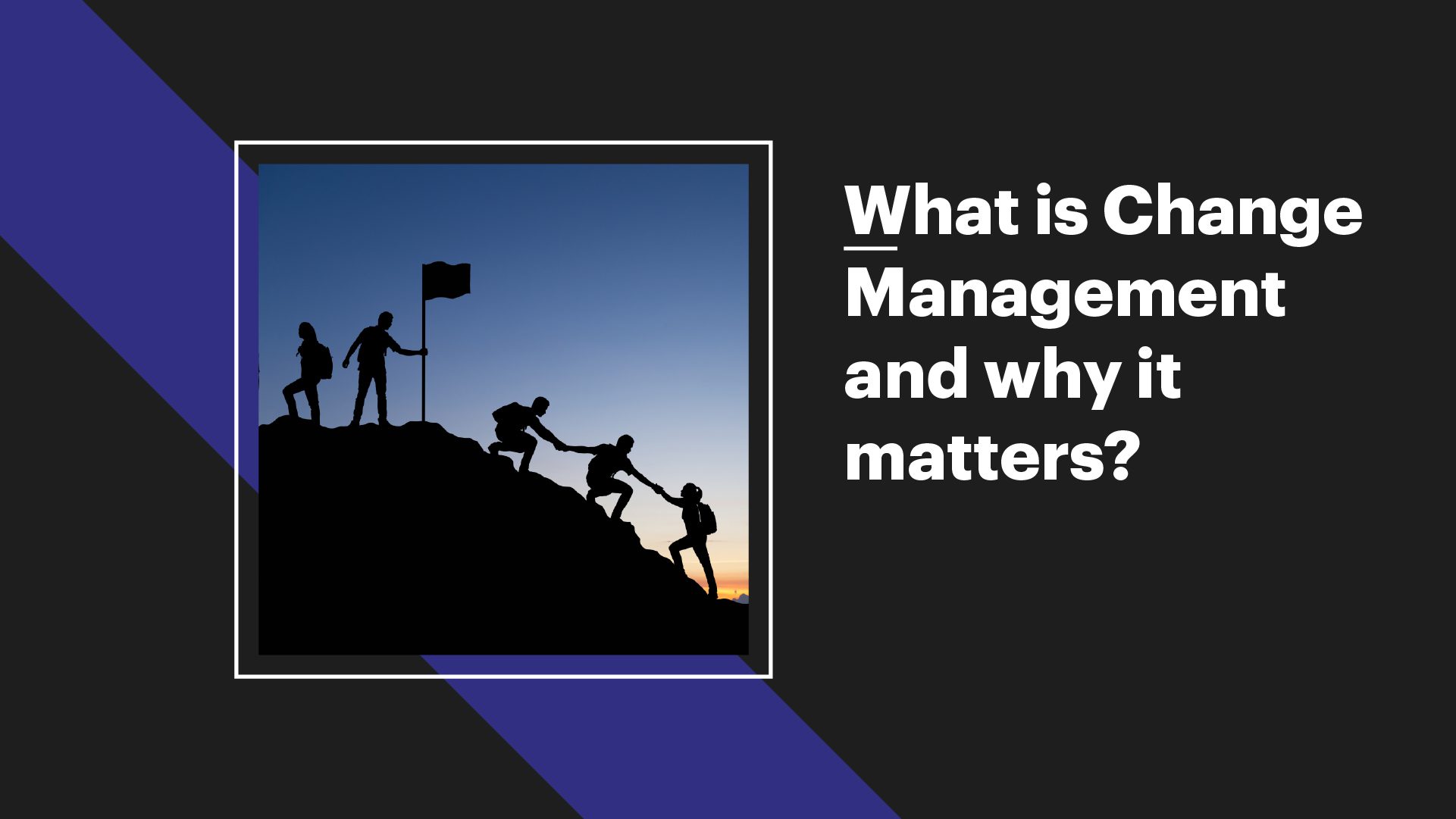
Change is one of the few constants in modern business, whether it’s a new software rollout, a company restructure, a merger, or a shift in strategy. How an organisation handles that change often determines whether it succeeds or stalls. That’s where change management comes in — a structured approach to helping people, teams, and entire organisations move from where they are now to where they need to be.
What Is Change Management?
Change management is the process of planning, implementing, and monitoring change within an organisation in a way that minimises disruption and maximises adoption. It covers everything from the practical logistics of a transition — timelines, resources, systems — to the human side of change, such as communication, training, and addressing resistance.
At its core, change management recognises that change isn’t just a technical or operational challenge. It’s a people challenge. Even the best-designed new process or system will fail if the people expected to use it don’t understand it, don’t buy into it, or actively resist it. Effective change management bridges that gap between a plan on paper and a change that actually sticks.
Why Change Management Matters
Poorly managed change is costly. Projects run over budget, timelines slip, and employee morale can take a serious hit when people feel change is being done “to” them rather than “with” them. Research across industries consistently shows that a large share of major change initiatives fail to meet their objectives, and a lack of structured change management is frequently cited as a leading cause.
On the other hand, organisations that manage change well tend to see faster adoption of new systems and processes, less disruption to daily operations, and higher employee engagement throughout the transition. Change management doesn’t just make change easier to bear — it makes change initiatives more likely to actually deliver their intended results.
 Key Benefits of Effective Change Management
 Key Benefits of Effective Change Management
Reduced resistance. People are naturally more comfortable with the familiar. A structured approach that explains the “why” behind a change, and involves employees early, reduces pushback and builds trust.
Faster adoption. Clear communication, training, and support help employees adapt more quickly, shortening the gap between “go-live” and full productivity.
Better employee morale. Change handled with transparency and empathy protects morale, whereas change that feels sudden or unexplained tends to breed anxiety and disengagement.
Higher ROI on change initiatives. Whether it’s a new IT system or a restructure, the financial investment in change is only worthwhile if people actually use and embrace it. Change management protects that investment.
Stronger organisational resilience. Organisations that build change management capability don’t just handle the current transition better — they become more adaptable to future change as well.
Common Change Management Models
Several established frameworks guide how organisations approach change:
- Kotter’s 8-Step Process — a sequential model that starts with creating urgency and ends with anchoring new approaches into company culture.
- ADKAR Model — focuses on individual change through five building blocks: Awareness, Desire, Knowledge, Ability, and Reinforcement.
- Lewin’s Change Management Model — a simple three-stage approach of Unfreeze, Change, and Refreeze, used to prepare, implement, and solidify change.
- McKinsey 7-S Framework — examines seven interconnected organisational elements (strategy, structure, systems, shared values, skills, style, and staff) to ensure change is aligned across the business.
There’s no single “correct” model — many organisations blend elements from several frameworks depending on the type and scale of change they’re managing.
Practical Tips for Managing Change Successfully
Start with a clear case for change. Employees are far more likely to support change when they understand the reasoning behind it, not just the instruction to comply.
Involve stakeholders early. Bringing key people into the planning process, rather than presenting change as a finished decision, builds ownership and surfaces potential issues before they become problems.
Communicate often and honestly. Regular updates — even when there’s no major news to share — prevent a vacuum that can quickly fill with rumour and uncertainty.
Provide adequate training and support. Whether it’s a new system or a new process, people need the tools and time to build competence and confidence before they’re expected to perform at full capacity.
Identify and support change champions. Enthusiastic, well-respected employees who advocate for the change among their peers can be more persuasive than top-down messaging alone.
Measure and adjust. Track adoption rates, gather feedback, and be willing to adapt the approach if something isn’t landing as expected.
Plan for reinforcement. Change doesn’t end at launch. Without ongoing reinforcement, old habits can creep back in, undoing months of careful planning.
Change Management in Practice
Change management applies across a huge range of scenarios: technology implementations, mergers and acquisitions, organisational restructures, new policies or compliance requirements, leadership transitions, and cultural shifts. While the specifics differ, the underlying discipline is the same — understanding the human impact of change and actively managing the transition rather than leaving it to chance.
Organisations that treat change management as a core competency, rather than an afterthought bolted onto major projects, tend to build a lasting advantage: the ability to adapt quickly and confidently as the business landscape continues to shift.
FAQs
What is the main goal of change management? The main goal is to help people, teams, and organisations transition smoothly from a current state to a desired future state, minimising disruption and maximising adoption.
What are the three stages of change management? Many models, most notably Lewin’s Change Management Model, break change into three stages: Unfreeze (preparing for change), Change (implementing it), and Refreeze (making it stick).
What skills do change managers need? Effective change managers typically need strong communication skills, stakeholder management, project planning ability, and a good understanding of organisational behaviour.
Why do most change initiatives fail? Common reasons include poor communication, lack of employee buy-in, insufficient training, and failure to reinforce the change once it’s implemented.
Is change management only for large organisations? No. While it’s often associated with major corporate transformations, the same principles apply to small teams and businesses managing any kind of meaningful change.
How long does a change management process take? It varies widely depending on the scale of the change, but most structured initiatives run from a few months to over a year, including planning, implementation, and reinforcement phases.