
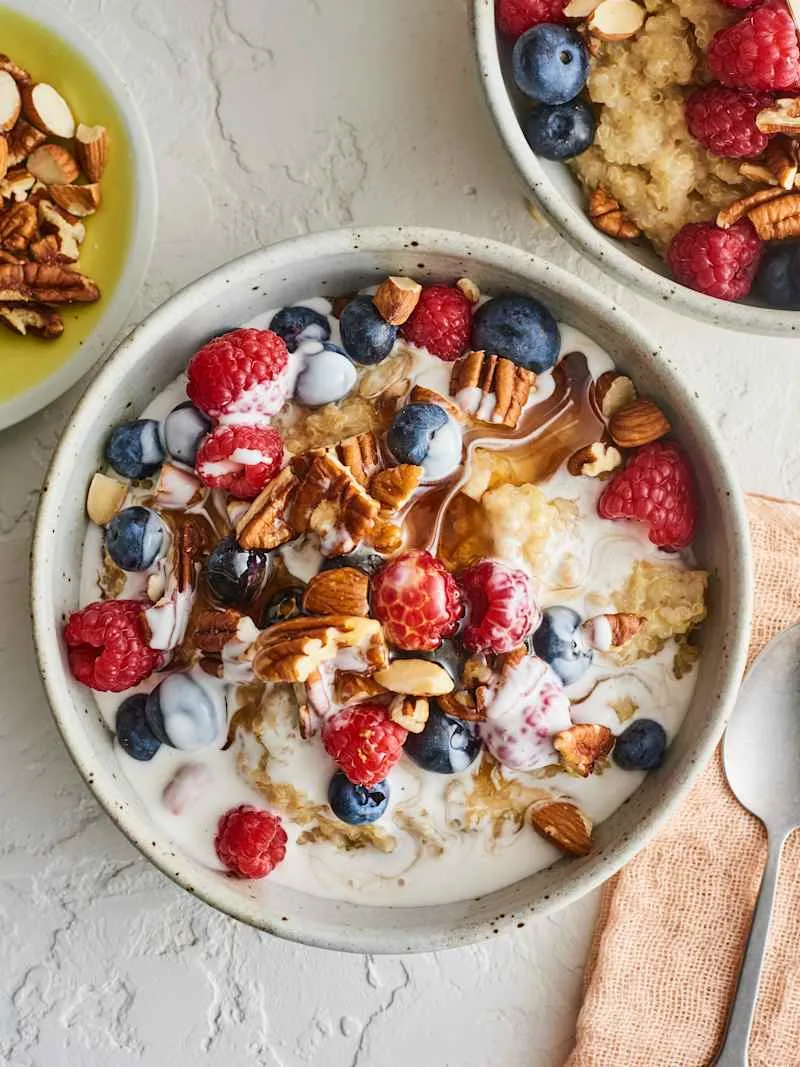
Breakfast sets the tone for the entire day, and the Mediterranean diet offers one of the healthiest, most satisfying ways to begin your morning. Unlike breakfasts loaded with refined sugar, processed cereals, or heavy pastries, a Mediterranean diet breakfast focuses on whole foods, healthy fats, and natural flavors. It’s simple to prepare, easy to customize, and backed by research showing benefits for heart health, digestion, and sustained energy throughout the morning.
What Makes a Breakfast “Mediterranean”?
The Mediterranean diet is inspired by the traditional eating habits of countries like Greece, Italy, Spain, and Turkey. At breakfast, this typically means a combination of fresh fruit, whole grains, healthy fats like olive oil and nuts, and moderate amounts of dairy or eggs. Processed sugars and refined carbohydrates are minimized, while fiber, antioxidants, and healthy fats take center stage.
Rather than one fixed menu, the Mediterranean breakfast is flexible. It can be as simple as yogurt with fruit and honey, or as filling as a vegetable-packed omelet with whole grain toast. The key is prioritizing nutrient-dense ingredients over processed convenience foods.
Key Ingredients for a Mediterranean Breakfast
- Greek yogurt: A protein-rich staple, often topped with honey, nuts, or fresh fruit.
- Whole grains: Whole wheat bread, oats, or bulgur provide fiber and long-lasting energy.
- Fresh fruit: Figs, oranges, berries, and melon add natural sweetness and vitamins.
- Eggs: A versatile protein source, often prepared simply with vegetables and herbs.
- Olive oil: Used instead of butter, even in savory breakfast dishes.
- Nuts and seeds: Almonds, walnuts, and chia seeds add crunch, healthy fats, and staying power.
- Vegetables: Tomatoes, cucumbers, and leafy greens are common even at breakfast.
- Cheese: Feta or other moderate-fat cheeses used sparingly for flavor.
- Herbal tea or coffee: Common beverages, often unsweetened or lightly sweetened with honey.
 Sample Mediterranean Diet Breakfast Ideas
 Sample Mediterranean Diet Breakfast Ideas
1. Greek Yogurt with Honey and Walnuts
A simple bowl of plain Greek yogurt topped with a drizzle of honey, a handful of walnuts, and fresh berries. This combination provides protein, fiber, and antioxidants in one quick dish.
2. Mediterranean Veggie Omelet
Eggs cooked with tomatoes, spinach, onions, and a sprinkle of feta cheese, finished with a drizzle of olive oil. Serve alongside a slice of whole grain toast for a balanced, filling meal.
3. Whole Grain Toast with Avocado and Tomato
Toasted whole wheat bread topped with mashed avocado, sliced tomato, a pinch of salt, and a drizzle of olive oil. Add a boiled egg on the side for extra protein.
4. Overnight Oats with Fruit and Nuts
Oats soaked overnight in milk or yogurt, topped with chopped dates, almonds, and cinnamon. This make-ahead option is perfect for busy mornings.
5. Fig and Ricotta Toast
Whole grain bread topped with ricotta cheese, sliced fresh figs, and a light drizzle of honey—an easy way to combine natural sweetness with protein and fiber.
6. Shakshuka
Eggs poached in a spiced tomato and pepper sauce, a traditional Mediterranean and Middle Eastern dish that’s hearty, flavorful, and full of vegetables.
Health Benefits of a Mediterranean Breakfast
Sustained Energy
Because Mediterranean breakfasts emphasize fiber, healthy fats, and protein rather than refined sugar, they help avoid the mid-morning energy crashes common with sugary cereals or pastries.
Heart Health
Replacing butter and processed fats with olive oil and nuts supports healthy cholesterol levels and reduces inflammation, both important for long-term cardiovascular health.
Better Digestion
Whole grains, fruits, and vegetables provide fiber that supports healthy digestion and helps maintain a balanced gut microbiome.
Weight Management
A protein- and fiber-rich breakfast promotes fullness, which can help reduce unnecessary snacking and overeating later in the day.
Blood Sugar Stability
Because Mediterranean breakfasts avoid heavily processed carbohydrates, they tend to have a gentler impact on blood sugar levels compared to typical Western breakfasts.
Tips for Building Your Own Mediterranean Breakfast
- Choose whole grains over refined ones whenever possible.
- Use olive oil instead of butter or margarine.
- Add a source of protein, such as eggs, yogurt, or cheese, to every meal.
- Include at least one serving of fruit or vegetables.
- Limit added sugar, opting for honey or fresh fruit for sweetness instead.
- Keep portions moderate rather than restrictive—balance is more important than perfection.
Is a Mediterranean Breakfast Right for You?
A Mediterranean-style breakfast is easy to adapt to different tastes, schedules, and dietary needs, whether you prefer something sweet, savory, quick, or more elaborate. It’s also naturally vegetarian-friendly and can be adjusted for those avoiding dairy or gluten. As with any dietary shift, it helps to start small—swap one ingredient at a time until the new pattern feels natural.
Conclusion
A Mediterranean diet breakfast isn’t about strict rules—it’s about choosing simple, whole foods that nourish the body and set a positive tone for the day. With ingredients like olive oil, fresh fruit, whole grains, and protein-rich options like eggs and yogurt, this approach to breakfast supports long-term health without sacrificing flavor or convenience.
Frequently Asked Questions (FAQs)
1. What is a good Mediterranean diet breakfast?
A good option includes Greek yogurt with honey and nuts, or a vegetable omelet with whole grain toast and olive oil.
2. Can I eat eggs on the Mediterranean diet?
Yes, eggs are commonly included in Mediterranean breakfasts, typically prepared with vegetables and olive oil rather than butter.
3. Is oatmeal part of the Mediterranean diet?
Yes, whole grain oats are a great Mediterranean diet breakfast choice, especially topped with fruit, nuts, and a touch of honey.
4. What should I avoid for a Mediterranean breakfast?
Avoid processed cereals, pastries, sugary spreads, and heavily refined carbohydrates, which don’t align with the diet’s whole-food focus.
5. Can I have coffee on the Mediterranean diet?
Yes, coffee and tea are commonly enjoyed, usually unsweetened or lightly sweetened with honey rather than refined sugar.
6. Is a Mediterranean breakfast good for weight loss?
Yes, its emphasis on fiber, protein, and healthy fats helps promote fullness, which can support healthy weight management over time.