
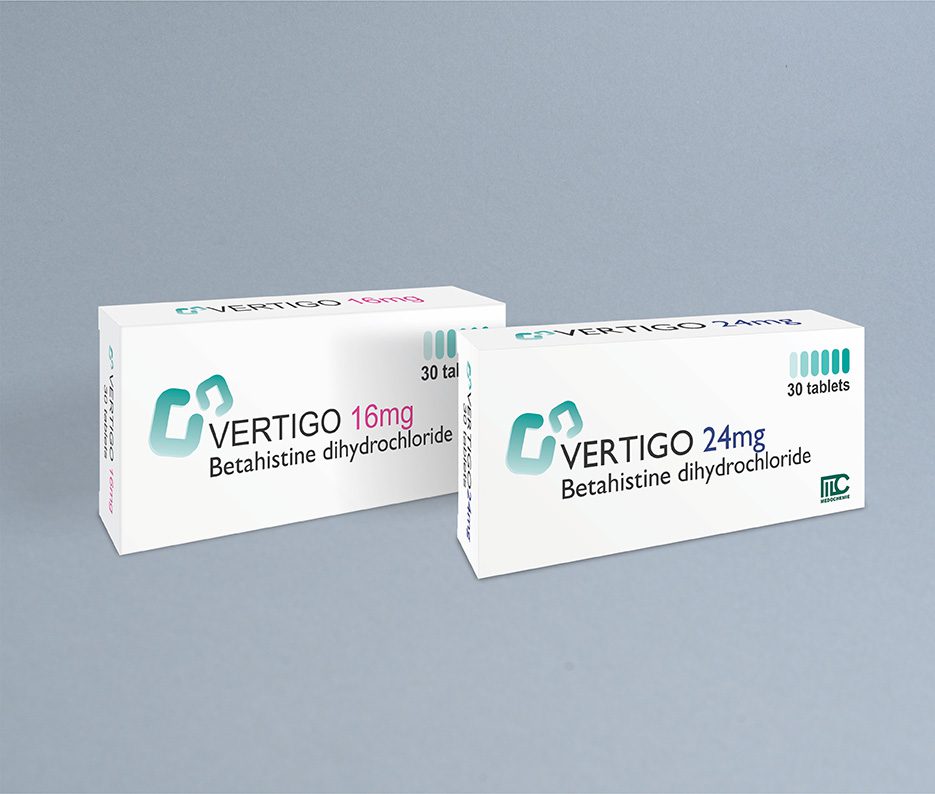
Vertigo is more than just feeling dizzy — it’s a specific sensation where you feel like you or your surroundings are spinning, even when you’re standing perfectly still. For people who experience frequent episodes, a vertigo tablet is often the first line of relief recommended by doctors. But with so many options available — from antihistamines to prescription-only drugs — understanding what each type does can help you have a more informed conversation with your healthcare provider.
What Causes Vertigo?
Before diving into medications, it helps to understand what triggers vertigo in the first place. Most cases stem from problems in the inner ear, which plays a central role in balance. Common causes include:
- Benign Paroxysmal Positional Vertigo (BPPV): Tiny calcium crystals in the inner ear become dislodged and disrupt balance signals.
- Vestibular neuritis or labyrinthitis: Inflammation of the inner ear or the nerve connecting it to the brain, often following a viral infection.
- Ménière’s disease: A chronic condition involving fluid buildup in the inner ear, often accompanied by ringing in the ears and hearing loss.
- Migraine-associated vertigo: Some people experience vertigo as part of a migraine episode.
- Motion sickness or medication side effects: Certain drugs or prolonged travel can also trigger dizziness.
Since the underlying cause varies so much, the right tablet often depends on an accurate diagnosis rather than guesswork.
Common Types of Vertigo Tablets
1. Antihistamines
Medications like meclizine and cinnarizine are among the most commonly prescribed for vertigo. They work by calming the signals between the inner ear and the brain, reducing the sensation of spinning and the nausea that often comes with it. These are typically used for short-term relief during active episodes.
2. Betahistine
Widely used for Ménière’s disease, betahistine is thought to improve blood flow to the inner ear and reduce pressure from fluid buildup. It’s often prescribed for longer-term management rather than immediate symptom relief.
3. Anti-nausea Medications (Antiemetics)
Since vertigo frequently triggers nausea and vomiting, doctors may prescribe antiemetics alongside vertigo-specific tablets to help manage these secondary symptoms.
4. Benzodiazepines
In more severe or acute cases, doctors may prescribe short-term use of benzodiazepines, as they can suppress the vestibular system’s overactive signals. Because of their sedative effects and potential for dependency, these are usually reserved for brief periods under close medical supervision.
5. Steroids
If vertigo stems from inflammation, such as in vestibular neuritis, a short course of corticosteroids may be recommended to reduce swelling and speed up recovery.
How Vertigo Tablets Work
Most vertigo medications target one of two systems: they either suppress the vestibular (inner ear balance) system’s abnormal signals, or they reduce the nausea and vomiting that vertigo triggers. This is why a single tablet rarely addresses every symptom — doctors often combine treatments based on how severe and how frequent the episodes are.
Are There Side Effects?
Like any medication, vertigo tablets can come with side effects, which vary depending on the drug class. Commonly reported effects include:
- Drowsiness or fatigue
- Dry mouth
- Blurred vision
- Mild digestive upset
Because several vertigo medications cause drowsiness, it’s generally advised to avoid driving or operating heavy machinery until you know how your body responds. Always follow your doctor’s guidance on dosage and duration, since taking these medications incorrectly or for too long can mask underlying issues rather than resolve them.
Non-Medication Approaches Worth Knowing
Tablets aren’t the only solution. For BPPV specifically, doctors often recommend the Epley maneuver, a series of head movements designed to reposition the displaced crystals in the inner ear. Vestibular rehabilitation therapy — a form of physical therapy focused on balance — is also effective for chronic or recurring vertigo. Lifestyle changes such as staying hydrated, reducing salt intake (especially for Ménière’s disease), and managing stress can also play a supporting role.
When to See a Doctor
While occasional mild dizziness may not be cause for alarm, you should seek medical attention if vertigo is:
- Sudden and severe
- Accompanied by slurred speech, double vision, or weakness
- Associated with a severe headache
- Persistent for more than a few days
These could be signs of a more serious underlying condition, such as a stroke, and warrant immediate evaluation.
Final Thoughts
Vertigo can be disruptive, but the right tablet — combined with an accurate diagnosis — can make a real difference in managing symptoms. Since the underlying causes of vertigo vary so widely, it’s best to consult a doctor before starting any medication, rather than self-diagnosing based on symptoms alone.
Frequently Asked Questions (FAQs)
Q1: What is the most commonly used tablet for vertigo?
Meclizine and betahistine are among the most frequently prescribed medications for vertigo, though the right choice depends on the underlying cause.
Q2: How quickly do vertigo tablets work?
Many antihistamine-based vertigo tablets start providing relief within 30 minutes to an hour, though full effectiveness can take longer depending on the individual and condition.
Q3: Can vertigo tablets be taken long-term?
Some, like betahistine, are used for ongoing management of chronic conditions such as Ménière’s disease, while others are meant only for short-term, acute relief. Always follow your doctor’s recommended duration.
Q4: Are vertigo tablets safe during pregnancy?
Not all vertigo medications are considered safe during pregnancy. It’s essential to consult a doctor before taking any tablet if you’re pregnant or breastfeeding.
Q5: Can vertigo go away without medication?
Yes, in many cases — especially BPPV — vertigo can resolve through physical repositioning maneuvers or vestibular therapy without the need for long-term medication.
Q6: Is it normal to feel sleepy after taking a vertigo tablet?
Drowsiness is a common side effect of many vertigo medications, particularly antihistamines and benzodiazepines. Avoid driving until you know how the medication affects you.
Q7: When should I worry about vertigo symptoms?
If vertigo comes on suddenly, is accompanied by neurological symptoms like slurred speech or weakness, or lasts more than a few days, seek medical attention right away.